Analysing the footage
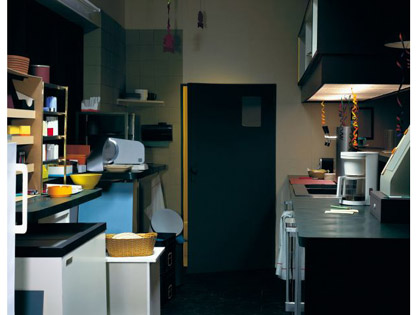
I have started to think more about my proposal and what I am going to do next. I am really interested in the empty spaces within the footage I have been looking at. I have become interested in and how the space is used within the shot and also how the viewer interprets the narrative of the space around the scenes. The empty spaces have started to become my characters. It is the experience of how the space makes you feel which is what I find interesting. I am going to start to try and use these spaces to show characters through my evidence that I collect. Sound and lighting and key elements to entice you into the scene. It is the significance of the space that makes you want to unravel the crime scene.
How do you experience the space within each shot?
The creation of atmospheric space is very important to my project to portray a filmic setting. It is these images, which are loaded with anticipation, which I am interested in to create a narrative. The emptiness allows you to not get distracted from the story within. Lighting is a fundamental characteristic in creating atmospheric space. The light draws the viewer into the interior of the room. Everyone’s experience of the space is different. No characters within shot add a surreal dream like world, like a scene from a Freddy Kruger nightmare.
How can spaces tell stories?
By using my evidence as visual entities, I will start to create a story within the viewer’s imagination. It is this object that draws the viewer into the space. The unknown story is what fascinates me, as you don’t know what is going to happen next. The absence of people leaves the entire story to the viewer, from what the person looks like, to what the crime committed was. It is as if you are in the crime scene as the investigator, trying to piece together what has gone on.